Successful coffee shop operations blend art and systems. The art is in the coffee, the customer experience, and the atmosphere you create. The systems—equipment selection, space layout, staffing, inventory, and daily workflows—are what allow that art to happen consistently, profitably, and at scale.
This comprehensive guide covers everything you need to set up and operate a coffee shop efficiently: choosing and configuring equipment, designing functional spaces, building operational workflows, managing inventory, and maintaining quality standards that keep customers returning.
Equipment Selection and Configuration
Your equipment choices affect everything from drink quality to labor costs to customer wait times. Make informed decisions upfront to avoid costly replacements later.
Espresso Equipment
The espresso machine is your centerpiece. Choose based on volume, skill level, and budget:
Entry-level commercial machines ($3,000–$8,000):
- Single boiler or heat exchanger
- Manual or semi-automatic operation
- Best for: Low-volume shops, budget-conscious startups
- Examples: La Marzocco Linea Mini, Nuova Simonelli Appia
Mid-range commercial machines ($8,000–$15,000):
- Dual boiler for simultaneous brewing and steaming
- Programmable dosing
- Best for: Most coffee shops
- Examples: La Marzocco Linea PB, Victoria Arduino Eagle One
High-end commercial machines ($15,000–$30,000):
- Multi-boiler, individual group temperature control
- Advanced pressure profiling
- Best for: High-volume specialty shops
- Examples: Synesso MVP Hydra, Slayer Steam
Key considerations:
- Group heads: 2-group handles most café volumes; 3-group for high-traffic
- Recovery time: How quickly can it produce back-to-back shots?
- Steam power: Critical for milk-based drink volume
- Maintenance access: Some machines require more technical service
Grinders
Never underinvest in grinders—they affect cup quality more than the espresso machine:
Espresso grinders ($1,500–$4,000):
- Flat vs. conical burrs (both work; preference varies)
- On-demand grinding (fresh for each shot)
- Stepless adjustment for dialing in
- Examples: Mahlkönig E65S, Mazzer Major V
Batch/filter grinders ($800–$2,500):
- Larger burrs for faster grinding
- Consistent particle size for brewing
- Examples: Mahlkönig EK43, Bunn G series
Best practice: Dedicate separate grinders to espresso and batch brew. Changing grind settings constantly wastes time and coffee.
Brewing Equipment
Beyond espresso, you need efficient brewing solutions:
Batch brewers ($500–$3,000):
- Curtis, Fetco, Bunn are industry standards
- Programmable for consistency
- Airpot or thermal servers for holding
- Volume: Size based on peak demand (1-gallon minimum)
Pour-over stations ($500–$2,000):
- Modbar, Marco, or manual Kalita/V60 setups
- Higher labor but premium experience
- Best for: Specialty-focused shops
Cold brew systems ($200–$1,500):
- Toddy, Curtis cold brew, or DIY solutions
- Plan for 12–24 hour brew cycles
- Size based on daily cold brew sales
Refrigeration
Under-counter refrigeration ($1,500–$4,000):
- Milk storage at bar (critical for speed)
- Worktop refrigerators double as prep surface
- True, Turbo Air, Beverage-Air are reliable brands
Reach-in refrigerators ($2,500–$6,000):
- Back-of-house storage
- Plan for milk, food items, backups
- Glass door for quick inventory visibility
Display cases ($2,000–$6,000):
- Required if selling pastries, sandwiches
- Temperature appropriate for items (refrigerated vs. ambient)
- LED lighting for product appeal
Roasting Equipment
Adding in-house roasting creates differentiation and cost savings:
Traditional roasting requirements:
- Gas roaster (3–15 kg): $15,000–$60,000
- Afterburner: $10,000–$25,000
- Exhaust system: $8,000–$20,000
- Gas line installation: $5,000–$15,000
- Dedicated ventilated space
- Air quality permits
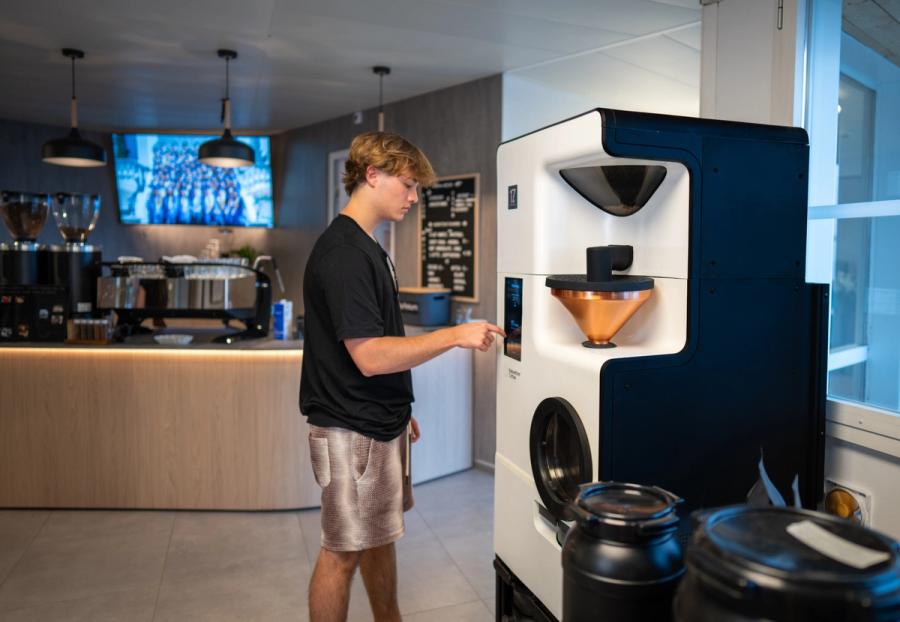
Ventless electric roasting (Bellwether):
- Bellwether Shop Roaster: $14,900
- 240V electrical circuit: $500–$2,000
- No gas, no exhaust, no afterburner
- Any commercial space with power
Bellwether specifications:
- 1.5 kg (3.3 lb) batch capacity
- 3–4 roasts per hour
- 2 minutes of labor per roast
- 24.6" × 36.5" × 28.2" footprint
- 405 lbs weight
- 200-240 VAC, 30A, 5kW electrical
- NEMA L6-30P plug with 8 ft cable
- 2" clearance required on both sides
- Optional 20 kg autoloader for continuous operation
Ventless roasting saves $40,000–$80,000 in infrastructure while enabling the same production capability—making it feasible to roast in spaces where traditional roasting is impossible.
Water Systems
Water quality directly affects equipment longevity and coffee taste:
Filtration ($500–$3,000):
- Carbon filtration removes chlorine and off-flavors
- Scale prevention protects equipment
- Everpure, 3M, Pentair are standard choices
Water specifications for espresso:
- Total dissolved solids (TDS): 75–150 ppm ideal
- Hardness: 50–175 ppm
- pH: 6.5–7.5
- Chlorine: 0 ppm
Installation considerations:
- Filter placement near equipment
- Regular filter changes (per manufacturer schedule)
- Water testing quarterly
POS and Technology
Point of sale systems ($1,000–$5,000 + monthly fees):
- Square, Toast, and Clover are popular for coffee
- Integration with accounting software
- Reporting for inventory and sales analysis
- Customer loyalty integration
Additional technology:
- Kitchen display system for high-volume
- Online ordering integration
- Music/ambiance systems
- WiFi for customers (separate from operations network)
Space Design and Layout
Your layout affects customer flow, staff efficiency, and the overall experience.
Front-of-House Layout
Customer flow principles:
- Clear path from entry to order point
- Queue space that doesn't block door
- Pickup area separate from order point
- Comfortable seating arrangements
Counter design:
- Bar height (42") for standing customers
- Lower section for accessibility
- POS placement for easy payment
- Menu visibility from queue
Seating capacity guidelines:
- 15–18 sq ft per seat (including circulation)
- Mix of seating types (tables, bar, lounge)
- Power outlets for laptop users
- Consider turnover goals (lounge = longer stays)
Back-of-House Layout
Bar station design:
- Espresso machine central to workflow
- Grinder within arm's reach
- Milk refrigeration under counter
- Cup storage above or adjacent
- Syrups and toppings accessible
Workflow efficiency:
- Minimize steps between stations
- Right-to-left or left-to-right flow (be consistent)
- Handoff point visible to customers
- Trash/recycling accessible but hidden
Storage considerations:
- Dry storage: coffee, cups, supplies
- Refrigerated storage: milk, food
- Cleaning supply storage (separate from food)
- Employee belongings
Roasting Integration
If adding roasting capability, consider placement carefully:
Visibility option:
- Customer-facing roaster as theater
- Requires more attention to cleanliness
- Great for marketing and storytelling
Efficiency option:
- Back-of-house roasting
- Less distraction for roaster
- Quieter customer environment
Space requirements (Bellwether):
- 24.6" × 36.5" footprint
- 2" clearance on both sides (29" minimum width needed)
- 28.2" height (fits under counters)
- 240V outlet within 8 feet
- No ventilation required
Utilities and Infrastructure
Electrical requirements:
- Standard 120V for most equipment
- 240V circuits for: Bellwether roaster (30A), some espresso machines, HVAC
- Dedicated circuits for sensitive equipment
- Plan for future expansion
Plumbing:
- Hot and cold water at bar
- Drain access for equipment
- Floor drains in back-of-house
- Grease trap if serving food
HVAC:
- Climate control for customer comfort
- Ventilation for traditional cooking
- Air quality if traditional roasting
Daily Operations Workflows
Consistent workflows reduce errors, speed service, and maintain quality.
Opening Procedures
Sequence (typically 30–60 minutes before open):
- Safety and security (5 min)
- Disarm alarm, unlock doors
More than a roaster
Everything you need to roast, brand, and sell
From sourcing to packaging, Bellwether gives you a complete coffee program — not just a machine.
- Walk-through for any issues
- Check overnight equipment
- Equipment startup (10–15 min)
- Turn on espresso machine (needs warmup time)
- Start batch brewers
- Turn on display refrigeration
- Start POS system
- Quality preparation (15–20 min)
- Dial in espresso (pull test shots)
- Grind for first batch brew
- Prepare cold brew if needed
- Stock milk, syrups, cups
- Final prep (10 min)
- Stock pastry case
- Set up seating area
- Check restrooms
- Ready cash drawer
Pro tip: Create a printed checklist. Staff should initial each item—this creates accountability and consistency.
Peak Service Management
Pre-peak preparation:
- Extra batch brew ready
- Backup milk refrigerated and accessible
- Additional staff positioned
- Pastry case fully stocked
During peak:
- Designated roles: register, bar, support
- Pre-steaming milk for common drinks
- Clear call system for drink handoff
- Continuous bussing of tables
Speed strategies:
- Batch steam milk for multiple drinks
- Pre-ground decaf (if low volume)
- Sequence drinks efficiently (milk drinks together)
- Clear communication between positions
Closing Procedures
Sequence (typically 15–30 minutes after close):
- Customer area (10 min)
- Clear and clean tables
- Sweep/mop floor
- Empty public trash
- Reset furniture
- Bar breakdown (20 min)
- Backflush espresso machine
- Clean steam wands and drip trays
- Empty and clean grinders
- Sanitize blenders and tools
- Wash all smallwares
- Inventory and cash (15 min)
- Count cash drawer, prepare deposit
- Record waste/comps
- Restock for morning
- Check inventory levels
- Final security (5 min)
- Turn off equipment (except refrigeration)
- Set alarms
- Lock all doors
- Double-check
Weekly Maintenance
Equipment maintenance schedule:
| Task | Frequency | Time Required |
|---|---|---|
| Deep clean espresso machine | Weekly | 30 min |
| Clean grinder burrs | Weekly | 20 min |
| Descale as needed | Monthly | 1 hour |
| Replace water filters | Per schedule | 15 min |
| Clean refrigerator coils | Monthly | 20 min |
| POS system backup | Weekly | 5 min |
Inventory Management
Effective inventory management prevents waste, ensures availability, and protects margins.
Coffee Inventory
Green coffee (if roasting):
- Storage: cool, dry, away from light
- Shelf life: 6–12 months properly stored
- Order frequency: based on roasting volume
- Par levels: 2–4 weeks supply typical
Roasted coffee:
- Peak freshness: 3–14 days post-roast
- Storage: sealed, away from light and heat
- Rotation: FIFO (first in, first out)
- Par levels: 3–7 days supply (roast more frequently for freshness)
In-house roasting advantage:
- Roast to demand (minimal waste)
- Always at peak freshness
- Lower inventory investment
- Cost savings: 30–50% vs. buying roasted
Milk and Perishables
Milk ordering:
- Track daily usage (by type: whole, oat, etc.)
- Order every 2–3 days for freshness
- Monitor waste from expiration
- Alternative milks: longer shelf life but often higher cost
Pastries and food:
- Daily delivery ideal for freshness
- Track sell-through rates by item
- Adjust order quantities based on data
- End-of-day markdown strategy
Supplies and Consumables
Track usage and set par levels for:
- Cups (by size)
- Lids and sleeves
- Napkins and straws
- To-go bags
- Cleaning supplies
- Toilet paper and hand towels
Ordering strategy:
- Weekly orders for most supplies
- Monthly for slow-moving items
- Bulk discounts vs. storage constraints
- Multiple supplier relationships for backup
Inventory Systems
Manual tracking:
- Daily counts of key items
- Weekly full inventory
- Spreadsheet or paper logs
- Works for small operations
Integrated systems:
- POS integration with inventory
- Automatic reorder points
- Waste tracking
- Cost analysis by item
Key metrics to track:
- Cost of goods sold (COGS) by category
- Waste percentage
- Inventory turnover
- Stock-out frequency
Quality Control Systems
Quality is what brings customers back. Build systems to ensure consistency.
Coffee Quality Standards
Espresso calibration:
- Dose: weight in (typically 18–20g)
- Yield: weight out (typically 36–40g for 1:2 ratio)
- Time: extraction time (typically 25–30 seconds)
- Document your standards and train all staff
Dial-in protocol:
- First thing every morning
- After changing coffee
- If shots taste off during service
- Document adjustments
Brew standards:
- Water temperature: 195–205°F
- Brew ratio: varies by method
- Contact time: specific to equipment
- TDS measurement (if precise)
Taste Testing
Daily quality checks:
- Pull and taste espresso at open
- Taste each batch brew
- Sample new roast batches
- Note and address any issues
Regular cupping:
- Weekly cupping sessions
- Compare current offerings
- Evaluate new origins
- Team calibration
Customer Feedback
Feedback channels:
- In-person observation
- Comment cards or digital surveys
- Online reviews (Google, Yelp)
- Social media mentions
Response protocol:
- Address complaints immediately
- Follow up on negative reviews
- Track patterns in feedback
- Celebrate wins with team
Equipment Calibration
Regular calibration schedule:
- Grinder adjustment: daily
- Scale calibration: weekly
- Espresso machine temperature: monthly
- Water testing: quarterly
Staffing and Training
Your team makes or breaks the customer experience.
Staffing Models
Minimum staffing by volume:
| Hourly Transactions | Staff Needed |
|---|---|
| 0–20 | 1 person |
| 20–40 | 2 people |
| 40–60 | 3 people |
| 60–80 | 4 people |
| 80+ | 5+ people |
Position breakdown:
- Register: customer interaction, payment
- Bar: espresso and drink preparation
- Support: restocking, bussing, backup
- Roasting: if applicable (Bellwether: 2 min labor per roast)
Training Program
Week 1: Orientation
- Company values and culture
- Food safety certification
- POS system basics
- Customer service standards
Week 2: Barista basics
- Espresso theory and technique
- Milk steaming and latte art basics
- Menu knowledge
- Opening and closing procedures
Week 3: Proficiency building
- Speed drills
- Drink consistency practice
- Problem-solving scenarios
- Customer interaction practice
Week 4: Evaluation and independence
- Skills assessment
- First solo shifts with backup
- Feedback and improvement plan
- Certification to work independently
Ongoing training:
- Monthly skills refreshers
- New product training
- Cross-training between positions
- Leadership development for advancement
Roasting Training (Bellwether)
With automated ventless roasters, roasting training is dramatically simplified:
Initial training (2–4 hours):
- Equipment operation
- Loading green coffee
- Using roast profiles
- Unloading and packaging
Ongoing skills (as needed):
- Profile adjustment for new coffees
- Quality evaluation and cupping
- Equipment maintenance
This is far less than traditional roasting, which typically requires weeks or months of apprenticeship.
Financial Operations
Sound financial operations ensure profitability.
Daily Financial Tasks
- Cash drawer counts (opening and closing)
- Credit card batch settlement
- Record keeping for sales and waste
- Deposit preparation
Weekly Financial Tasks
- Review sales reports by category
- Analyze labor costs vs. sales
- Review inventory costs
- Check accounts payable
Monthly Financial Tasks
- Full P&L review
- Inventory valuation
- Labor cost analysis
- COGS percentage calculation
- Marketing ROI assessment
Key Operational Metrics
| Metric | Target | How to Calculate |
|---|---|---|
| Labor cost | 25–35% of revenue | Total labor ÷ Total revenue |
| COGS | 25–35% of revenue | Cost of goods ÷ Revenue |
| Prime cost | 55–65% of revenue | Labor + COGS |
| Tickets per labor hour | 8–15 | Total tickets ÷ Labor hours |
| Average ticket | Track trend | Revenue ÷ Transactions |
Ready to roast in-house?
Take control of your margins
Save up to 50% on coffee costs with in-house roasting. Talk to our team about what Bellwether can do for your business.