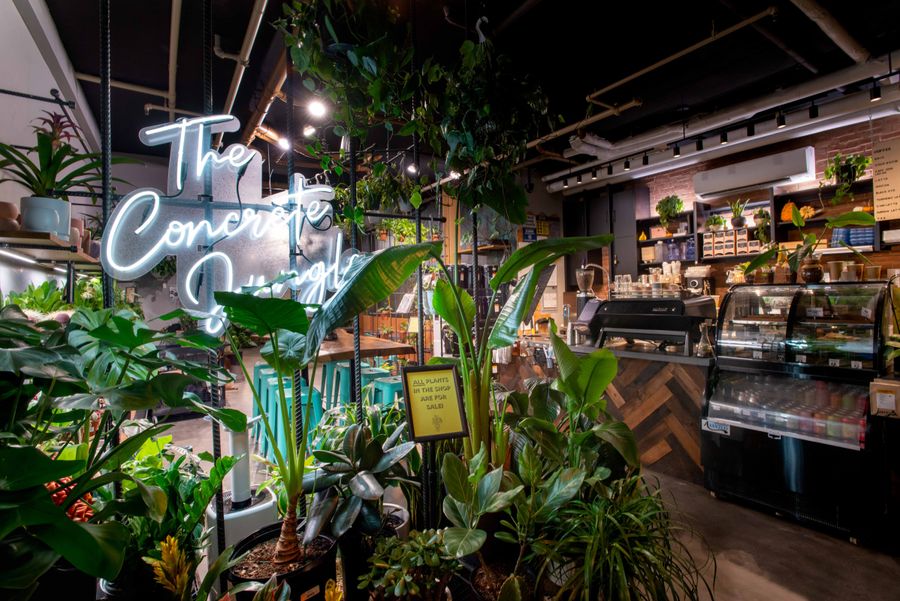
This National Coffee Day, three independent cafés share how roasting in-house is helping them build community, prioritize quality and sustainability, and put their own identity into every cup.
For many café owners, coffee is a way to bring people together, introduce customers to new flavors and origins, and create an experience that feels unique to their community. Increasingly, independent cafés are choosing to roast their own coffee on-site rather than buying roasted coffee from a wholesale roaster. For some, the appeal is greater control over coffee quality and sourcing. For others, it’s a way to create proprietary coffees, strengthen their brand or give customers a closer connection to the coffee they drink.
Equipment has made that more practical, too. Bellwether’s electric, ventless Shop Roaster uses a closed-loop system that eliminates the need for ductwork, allowing cafés to roast on-site without releasing the smoke or particulates that other roasters have to vent outside. It is the only smokeless commercial coffee roaster in the world. Learn more about how ventless coffee roasting works.
We spoke with three independent cafés that roast their own coffee to understand what those benefits look like in practice.
Putting Heritage Into the Cup: The Concrete Jungle
In Brooklyn, The Concrete Jungle uses in-house roasting to connect its founder’s heritage with the identity of the café.

The coffee shop and plant store was founded by David Bueno, a structural engineer whose passion for plants and nature inspired the concept of creating a tropical oasis in the middle of Brooklyn’s urban landscape. As someone of Dominican descent, David also wanted Dominican coffee to have a meaningful place within that vision.
Before investing in a Bellwether roaster, The Concrete Jungle sourced roasted beans from other shops and private-label partners. Roasting in-house gave David the opportunity to take greater control over that coffee program and roast single-origin Dominican coffee himself.
The opportunity to exclusively roast single-origin Dominican coffee was one of the main reasons I invested in a Bellwether roaster. Introducing New Yorkers to high-quality specialty coffee from the Dominican Republic—a country not yet widely recognized for its specialty coffee—is a meaningful way to support Dominican coffee producers while celebrating my heritage through The Concrete Jungle.

The roaster is visible within the café, giving customers a chance to see part of the process and ask questions about the coffee they are drinking. That transparency fits naturally with The Concrete Jungle’s broader focus on sustainability, community and connecting people with nature.
For David, roasting in-house gives the café another way to tell its story.
Don’t take our word for it
See how others made the switch
Established cafés saving $1,000–5,000/month. Fresher coffee. Bigger margins. Hear it from operators like you.
Building Community Through Coffee: Kape Roasters
For Kape Roasters in Laguna Niguel, California, community has always been at the heart of the café. Founded by three lifelong friends, Kape was built around a shared vision of hospitality and connection. From its communal table to its family-oriented events to collaborations like a custom blend for the local Ritz-Carlton hotel, the café aims to make every customer feel at home.
Roasting in-house has become another way for Kape to bring that philosophy into the coffee itself. With the Bellwether roaster prominently displayed in the café, founder John Yuhico often roasts while customers are there, creating opportunities to talk about the coffee, where it comes from, and how it is made.
Roasting our own coffee makes Kape feel even more personal because we’re able to put a little bit of ourselves into every cup we serve. It gives us a chance to connect with our guests, share the story behind the coffee and the process, and create something people can enjoy together and feel proud of. For me, Kape has always been about more than coffee—it’s about hospitality, bringing people together, and making everyone who walks through our doors feel like family.


That sense of discovery is also reflected in Kape’s rotating coffee program, which includes multiple blends and regularly changing espresso offerings. By roasting in-house, the team can introduce customers to different origins and flavor profiles while keeping the experience fresh.
For Kape, roasting is part of the café’s larger mission to create a place where people can gather, connect and feel at home.
Prioritizing Quality and Sustainability: Covour Coffee
At Covour Coffee in Palo Alto, California, roasting in-house is part of a broader commitment to being intentional about every step between the coffee farm and the customer.
Founded by Marc Sayeed and Gia Salah, a husband-and-wife team with creative backgrounds and a longstanding passion for coffee, the café focuses heavily on single-origin coffees and supporting small producers, while also making sustainability part of its day-to-day operations.
Roasting in-house gives the team greater control over how they develop each coffee and how they approach sourcing and waste.
Roasting our own coffee has allowed us to be much more hands-on with every step of the process, from choosing the coffees we believe in to developing each roast in a way that brings out its best qualities. It’s also helped us be more thoughtful about sourcing, reducing waste, and making sustainability a natural part of how we operate at Covour.


For Covour, having greater control over roasting is ultimately about being more thoughtful at every stage, from the producers they support to the coffee their customers taste.
More Than a Roast
For Kape Roasters, Covour Coffee and The Concrete Jungle, bringing roasting in-house looks different, but each café has found a way to make it part of what makes their business unique.
Roasting in-house can be a way to bring customers together. It can create greater control over quality and sourcing. It can help a café celebrate its culture, community or the people behind its coffee. And ultimately, it can give café owners another opportunity to put their own perspective into the experience of coffee.
This National Coffee Day, we’re celebrating not just the coffee in the cup, but the people, places and stories behind it.
Ready to roast in-house?
Take control of your margins
Save $1,000–5,000/month on coffee costs. Your wholesaler takes 67% of the margin on every pound — it’s time to take it back.