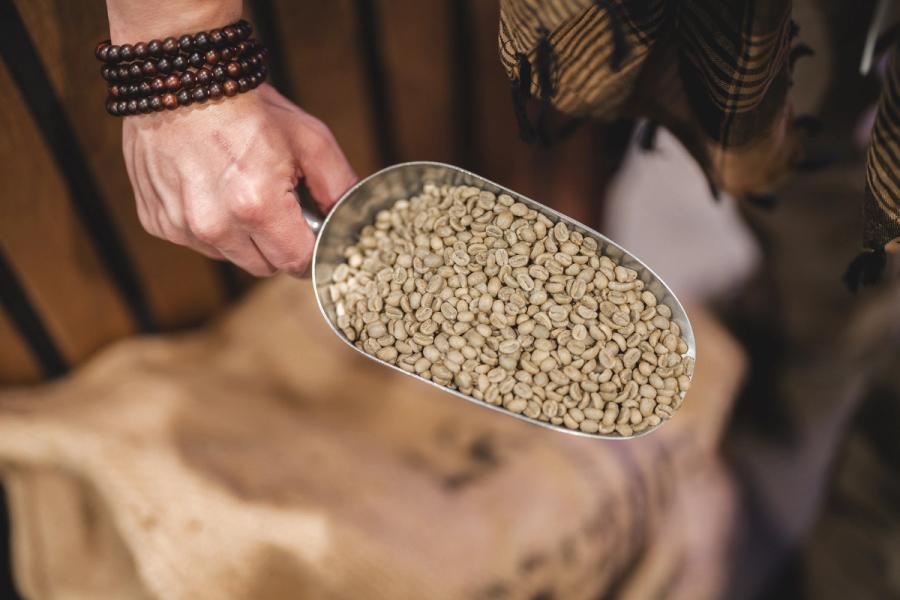
An online coffee business offers something rare in food and beverage: high margins, low overhead, and the ability to start small and scale without the constraints of a physical location. Whether you want to roast your own coffee, curate beans from other roasters, or build a subscription empire, the online model provides flexibility that traditional retail can't match.
This comprehensive guide covers everything you need to launch and grow an online coffee business: choosing the right business model, sourcing and roasting coffee, building your brand, setting up e-commerce, acquiring customers, and scaling through subscriptions and wholesale channels.
Online Coffee Business Models
Your business model determines everything: startup costs, margins, complexity, and growth potential. Choose based on your capital, skills, and long-term vision.
Model 1: Roast Your Own Coffee
Overview: You buy green coffee beans, roast them yourself, and sell directly to consumers.
Pros:
- Highest margins (50–65% gross)
- Complete quality control
- Strong brand differentiation
- Multiple revenue streams (retail, wholesale, subscription)
Cons:
- Higher startup cost
- Requires roasting knowledge (or willingness to learn)
- Production capacity constraints
Startup cost: $15,000–$50,000 (with ventless roasting)
Best for: Entrepreneurs who want to build a premium brand with full control over product quality.
Model 2: Private Label
Overview: A roaster produces coffee to your specifications, packaged under your brand.
Pros:
- Lower startup cost
- No production equipment needed
- Focus on marketing and sales
- Scalable without production constraints
Cons:
- Lower margins (35–50% gross)
- Less quality control
- Dependent on supplier
- Less differentiation (others use same roasters)
Startup cost: $5,000–$20,000
Best for: Marketers and brand builders who excel at customer acquisition but don't want to roast.
Model 3: Dropshipping
Overview: You sell coffee that ships directly from your supplier to customers—you never touch the product.
Pros:
- Lowest startup cost
- No inventory risk
- Easy to test products and markets
- Location independent
Cons:
- Lowest margins (20–35% gross)
- No quality control
- Shipping issues reflect on your brand
- High competition, little differentiation
Startup cost: $1,000–$5,000
Best for: Testing the market or building an audience before investing in production.
Model 4: Curated/Subscription Box
Overview: You source coffees from multiple roasters and curate selections for subscribers.
Pros:
- Variety without production
- Discovery-focused (appeals to enthusiasts)
- Recurring revenue model
- Can transition to private label or roasting
Cons:
- Complex sourcing relationships
- Inventory management for multiple products
- Lower margins than roasting
Startup cost: $5,000–$15,000
Best for: Coffee enthusiasts with strong curation skills and industry connections.
Model Comparison
| Model | Startup Cost | Gross Margin | Control | Scalability |
|---|---|---|---|---|
| Roast your own | $15,000–$50,000 | 50–65% | High | Medium |
| Private label | $5,000–$20,000 | 35–50% | Medium | High |
| Dropshipping | $1,000–$5,000 | 20–35% | Low | High |
| Curated box | $5,000–$15,000 | 30–45% | Medium | Medium |
Roasting for an Online Business
If you choose to roast your own coffee, equipment selection significantly impacts your economics.
Traditional vs. Ventless Roasting
Traditional gas roasting requirements:
- Gas roaster: $15,000–$60,000
- Afterburner: $10,000–$25,000
- Exhaust system: $5,000–$20,000
- Gas line installation: $5,000–$15,000
- Dedicated roasting facility
- Air quality permits
Total traditional investment: $50,000–$150,000+
Ventless electric roasting (Bellwether):
- Bellwether Shop Roaster: $14,900
- 240V electrical circuit: $500–$2,000
- No additional infrastructure
Total ventless investment: $15,400–$16,900
Bellwether Specifications
For online businesses, Bellwether's ventless roaster offers key advantages:
| Specification | Value |
|---|---|
| Batch capacity | 1.5 kg (3.3 lb) |
| Roasts per hour | 3–4 |
| Labor per roast | 2 minutes |
| Daily capacity | 36–80+ kg (with autoloader) |
| Dimensions | 24.6" × 36.5" × 28.2" |
| Weight | 405 lbs (527 lbs with autoloader) |
| Electrical | 200-240 VAC, 30A, 5kW |
| Plug | NEMA L6-30P (8 ft cable) |
Why this matters for online businesses:
- Roast from home, garage, or small commercial space
- No permits beyond food handling
- 2 minutes labor means you can roast while packing orders
- Scale production without facility changes
Production Capacity Planning
| Weekly Orders | Coffee Needed | Roasts/Week | Time Required |
|---|---|---|---|
| 50 bags | ~35 kg | 24 | 48 min labor |
| 100 bags | ~70 kg | 47 | 94 min labor |
| 200 bags | ~140 kg | 94 | 188 min labor |
| 500 bags | ~350 kg | 234 | ~8 hours labor |
With the optional 20 kg autoloader, you can run 13 consecutive roasts without intervention—ideal for scaling production.
Sourcing Green Coffee
Quality green coffee is the foundation of your business.
Sourcing Options
Importers (easiest for beginners):
- Royal Coffee, Cafe Imports, Genuine Origin, Coffee Shrub
- Minimum orders: 60–150 lb bags (some offer smaller samples)
- Pricing: $3–$8/lb for specialty grade
- Benefits: Consistent supply, cupping notes, import logistics handled
Direct trade:
- Buy directly from farms or cooperatives
- Higher margins, stronger story
- Requires relationship building, travel, import logistics
- Better for established businesses
Spot market:
- Buy available inventory from importers
- Good for discovering new origins
- Less consistency in supply
Green Coffee Costs
| Quality Level | Cost/lb | Notes |
|---|---|---|
| Commercial | $1.50–$2.50 | Commodity grade |
| Specialty (80–84) | $3–$5 | Good everyday coffee |
| High specialty (85–87) | $5–$8 | Notable, interesting |
| Exceptional (88+) | $8–$15+ | Competition quality |
Recommendation: Start with specialty grade ($4–$6/lb). Your landed cost (green + roasting labor + packaging) should be $6–$10/lb, supporting retail prices of $15–$22 per 12 oz bag with healthy margins.
Building Your Online Coffee Brand
Brand differentiates you in a crowded market. Without a strong brand, you're competing on price alone.
Brand Positioning Options
| Position | Target Customer | Price Point | Differentiation |
|---|---|---|---|
| Everyday quality | Busy professionals | $12–$16/bag | Convenience, consistency |
| Single origin focus | Coffee enthusiasts | $16–$22/bag | Origin stories, transparency |
| Sustainability-led | Eco-conscious | $16–$24/bag | Environmental impact |
| Local/community | Regional buyers | $14–$20/bag | Local identity, freshness |
| Subscription-first | Convenience seekers | $14–$18/bag | Never run out, discovery |
Brand Elements to Develop
Visual identity:
- Logo and color palette
- Packaging design (bags, boxes, inserts)
- Website design
- Social media templates
Voice and messaging:
- Brand story (why you started)
- Value proposition (why buy from you)
- Product descriptions
- Email and social voice
Customer experience:
- Unboxing experience
- Thank you notes or inserts
- Follow-up communication
- Loyalty program
Packaging Considerations
Coffee bags:
- Valve bags (release CO2, preserve freshness)
- Materials: kraft, matte, foil-lined
- Sizes: 12 oz most common, 8 oz for samplers, 2 lb for heavy users
- Cost: $0.30–$1.50 per bag depending on quality and customization
Shipping supplies:
- Boxes or mailers (branded or plain)
- Filler/protection for bags
- Packing tape (can be branded)
- Labels (return address, fragile)
Inserts:
- Brewing guides
- Brand story cards
- Discount codes for next order
- Subscription pitch
More than a roaster
Everything you need to roast, brand, and sell
From sourcing to packaging, Bellwether gives you a complete coffee program. Launch faster, with fewer mistakes, and predictable margins from day one.
E-Commerce Setup
Your website is your storefront. Invest in getting it right.
Platform Options
| Platform | Monthly Cost | Pros | Cons |
|---|---|---|---|
| Shopify | $29–$299 | Easy, many apps | Transaction fees |
| WooCommerce | $0 + hosting | Flexible, no transaction fees | More technical |
| Squarespace | $27–$49 | Beautiful templates | Fewer features |
| BigCommerce | $29–$299 | Built-in features | Less app ecosystem |
Recommendation: Shopify for most coffee businesses. The app ecosystem includes subscription tools, shipping integrations, and coffee-specific solutions.
Essential Website Elements
Homepage:
- Clear value proposition above fold
- Featured products or subscription
- Brand story snippet
- Social proof (reviews, press)
Product pages:
- High-quality photos
- Detailed flavor notes
- Origin information
- Roast level
- Brewing recommendations
- Reviews
Subscription page:
- Clear pricing and frequency options
- Flexibility messaging (pause, cancel)
- Savings vs. one-time purchase
- How it works
About page:
- Your story (why coffee, why this business)
- Sourcing philosophy
- Roasting approach
- Team (if applicable)
Subscription Setup
Subscriptions are critical for online coffee businesses—they provide predictable revenue and higher customer lifetime value.
Subscription apps for Shopify:
- Recharge ($99+/month): Most popular, robust features
- Bold Subscriptions ($49+/month): Good mid-tier option
- Skio ($299+/month): Modern, premium features
Subscription best practices:
- Offer 10–15% discount vs. one-time
- Multiple frequency options (weekly, biweekly, monthly)
- Easy pause and skip
- Flexible product swaps
- Surprise gifts for loyalty
Shipping Strategy
Carrier options:
- USPS: Best for light packages, residential delivery
- UPS/FedEx: Better for heavier orders, business addresses
- Regional carriers: Sometimes cheaper for specific zones
Shipping pricing strategies:
- Flat rate: Simple, predictable ($5–$8 typical)
- Free over threshold: Encourages larger orders ($35–$50 common)
- Real-time rates: Most accurate, can be expensive for light packages
Coffee-specific considerations:
- Ship soon after roasting (within 2–3 days)
- Avoid weekend delivery (sits in hot/cold trucks)
- Consider freshness guarantees
Customer Acquisition
Building traffic and converting visitors is your primary ongoing challenge.
Organic Channels
Search (SEO):
- Product pages optimized for "[origin] coffee beans"
- Blog content for informational queries
- Local SEO if targeting regional market
- Timeline: 6–12 months to see significant traffic
Social media:
- Instagram: Visual, lifestyle, behind-the-scenes
- TikTok: Educational, entertaining, trending
- Facebook: Community building, groups
- Pinterest: Recipes, brewing guides
Email marketing:
- Capture emails with discount or content offer
- Welcome series introducing brand
- Regular newsletters (new coffees, stories)
- Abandoned cart recovery
Content marketing:
- Brewing guides and tutorials
- Coffee education (origins, processing)
- Recipes using coffee
- Behind-the-scenes roasting content
Paid Channels
Meta (Facebook/Instagram) ads:
- Best for awareness and retargeting
- Typical cost: $20–$50 per customer acquired
- Start with $500–$1,000/month budget to learn
Google ads:
- Search ads for high-intent queries
- Shopping ads for product visibility
- Typical cost: $30–$60 per customer acquired
- Can be expensive for competitive terms
Influencer marketing:
- Micro-influencers (1,000–10,000 followers): Product trade + small fee
- Mid-tier (10,000–100,000): $200–$2,000 per post
- Focus on food, lifestyle, coffee-specific creators
Customer Acquisition Costs
| Channel | Typical CAC | Notes |
|---|---|---|
| Organic social | $5–$15 | Slow but efficient |
| SEO | $10–$25 | Investment over time |
| $5–$20 | Depends on list quality | |
| Meta ads | $20–$50 | Scalable but competitive |
| Google ads | $30–$60 | High intent but expensive |
| Influencer | $15–$40 | Variable, hard to track |
Target: Keep CAC below first order value. With $50 average order, aim for CAC under $50—ideally under $30 for healthy margins.
Scaling Your Online Coffee Business
Once you have product-market fit, focus on scaling efficiently.
Revenue Diversification
Subscription growth:
- Your most valuable customers
- Focus on reducing churn (target <5% monthly)
- Add subscriber perks and exclusives
Wholesale:
- Sell to cafés, restaurants, offices
- Lower margin (30–45%) but larger volumes
- Builds brand awareness
Amazon:
- Massive audience, high competition
- Lower margins after fees
- Can drive brand discovery
Retail partnerships:
- Local grocery stores
- Specialty food shops
- Higher volume, lower margin
Operational Scaling
Production efficiency:
- Batch similar roasts together
- Autoloader for continuous roasting
- Standardize packaging workflow
- Consider part-time help at 200+ orders/week
Fulfillment options:
- In-house: Best control, most work
- 3PL: Outsource picking/packing
- Fulfillment centers: Scale without space constraints
Inventory management:
- Track green coffee levels
- Monitor roasted coffee freshness
- Automate reorder points
- Seasonal planning
Key Metrics to Track
| Metric | Target | Why It Matters |
|---|---|---|
| Customer acquisition cost | <$30–$50 | Profitability of growth |
| Customer lifetime value | $150–$300+ | Long-term revenue per customer |
| LTV:CAC ratio | 3:1+ | Growth sustainability |
| Monthly churn | <5% | Subscription health |
| Gross margin | 50–65% | Business viability |
| Average order value | $40–$60 | Revenue efficiency |
Legal and Compliance
Don't overlook the legal requirements.
Business Setup
- Business entity (LLC recommended)
- EIN for tax purposes
- Business bank account
- Business insurance
Food Safety
- Food handler's permit (requirements vary by state)
- Commercial kitchen or cottage food exemption (if applicable)
- Proper storage and handling procedures
- Labeling requirements (net weight, ingredients, allergens)
E-Commerce Compliance
- Privacy policy
- Terms of service
- Sales tax collection (Shopify automates this)
- Subscription terms and cancellation policy
Ready to build your coffee brand?
Take control of your margins
Save up to 50% on coffee costs with in-house roasting. Break even in month one, payback in six. Talk to our team about launching your roastery.