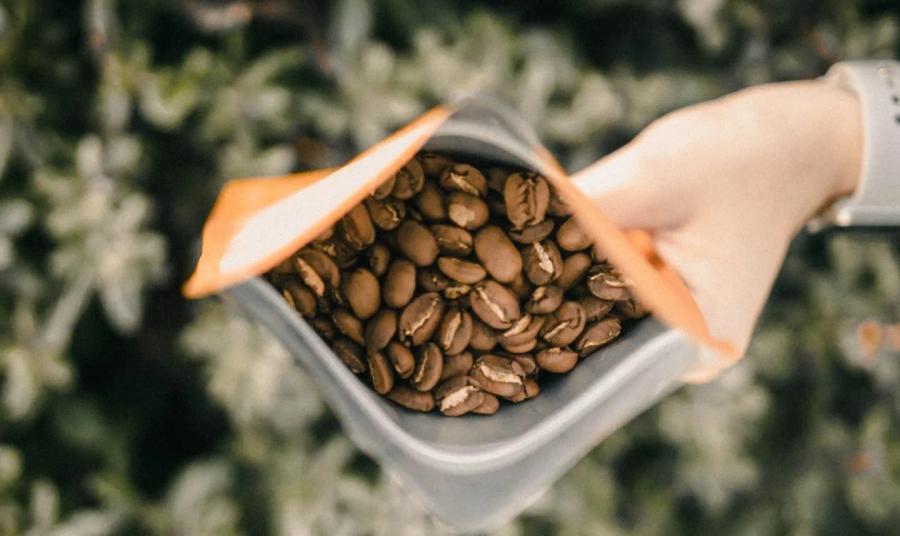
When a customer picks up a bag of coffee, they make a decision in seconds—often based on the design, not just the roast level or origin. Studies show that 70% of consumers say packaging influences their purchasing choices, with packaging design credited for anywhere from 30% to 90% of sales decisions.
For coffee roasters, packaging is more than a container; it’s a statement. Whether selling in grocery stores, online, or in your cafe, your coffee bag is one of the most powerful touchpoints for your brand. The right design builds recognition, differentiates your business, and attracts loyal customers.
In this guide, we break down everything you need to know about coffee bag packaging, including:
- Three components your coffee packaging needs for quality, freshness, and compliance
- The four major packaging decisions every roaster must make
- How to design a coffee bag that enhances your brand and drives sales
Three Essential Components of Coffee Packaging
To deliver fresh, high-quality coffee and meet industry standards, your packaging must include these key elements:
1. One-Way Valve for Freshness
Fresh-roasted coffee releases carbon dioxide (CO2), which needs an escape route to maintain peak flavor. A one-way valve allows CO2 to exit without letting oxygen in, preventing premature staleness. Today’s coffee consumers recognize this feature—and expect it.
2. Resealable Capability
Exposure to air quickly diminishes coffee’s flavors and aromas. To ensure customers enjoy your coffee at its best, incorporate a resealing mechanism like a ziplock zipper, tin tie, or another airtight closure.
3. Local Legal Requirements
Every region has specific requirements for coffee packaging. Typically, your bag must display:
Product name/type
- Net weight/volume
- Business address with ZIP code
- Roast date (recommended for freshness perception)
Before finalizing your design, check your local regulations to ensure compliance.
Four Key Packaging Decisions for Roasters
1. Choosing the Right Bag Style
Your packaging format affects both functionality and visual appeal. The most common styles include:
Flat Bottom Bags
- Sturdy and easy to store
- Offers five sides for branding
- Premium feel but higher cost
Stand-Up Pouches
- Versatile and cost-effective
- Tear-away top for easy opening
- Popular among specialty coffee brands
Gusseted Bags
- Traditional and affordable
- Less convenient for filling and stacking
- Common among older coffee brands
Flat Pouches
- Ideal for single-serve coffee
- Sleek and compact
- Best suited for hotels, travel, or sample packs
Alternative Coffee Packaging
Many roasters use creative packaging choices like jars and boxes to help their coffee stand out. By taking this route, you may run into challenges like:
- Difficulty sourcing the right packaging materials consistently
- Creating a custom design for oddly shaped packages
- Sticking to a budget
More than a roaster
Everything you need to roast, brand, and sell
From sourcing to packaging, Bellwether gives you a complete coffee program. Launch faster, with fewer mistakes, and predictable margins from day one.
Carefully review your budget and weigh your options to see if alternative packaging is a viable option for your company's goals.
2. Selecting the Right Material
Your choice of packaging material impacts both sustainability and branding. The two most common options are
Kraft Paper and Matte Finish.
Kraft Bags:
Pros:
- Most affordable coffee packaging material
- Can buy larger quantities without breaking the bank
- Ideal for those specializing in wholesale and subscriptions
- 100% natural, biodegradable, and compostable.
Cons:
- Will need to purchase additional stamps, stickers, or labels to customize the bag design
- May not appeal to a more “upscale” clientele
Matte Bags:
Pros:
- Endless customization and artwork capabilities, including holographic or metallic elements, hot stamping, and varying color palettes.
- Made from multiple layers to ensure coffee freshness and shelf life
- Many manufacturers offer recyclable or green matte packaging options
- Appeals to a broad audience
Cons:
- More expensive than generic kraft bags
- Order quantities will depend on bag design, size, and structure
- Requires a film of aluminum to protect coffee, which can be a detriment to those valuing sustainability
Sustainability Considerations
Consumer interest in sustainable packaging is growing. Studies show that 60-70% of shoppers are willing to pay more for environmentally friendly materials. If sustainability aligns with your brand, consider:
- Kraft paper or rice paper
- Water-based or sustainable inks
- 100% recyclable low-density polyethylene (LDPE)
Some manufacturers also offer zero-waste programs, where used bags can be returned and repurposed.
3. Choosing the Right Size
Standard coffee bag sizes include:
- 8 oz (best for premium small-batch offerings)
- 12 oz (most popular retail size)
- 1 lb (commonly used for cafes and retail shelves)
- 5 lb (ideal for wholesale customers)
Choose a size that aligns with your business model. If you offer wholesale, invest in retail and bulk options to meet diverse customer needs.
4. Finding the Right Manufacturer
Your manufacturer plays a critical role in your packaging success. When selecting a supplier, consider:
- Minimum Order Quantities (MOQ): Some require as few as 100 bags; others mandate 10,000+
- Turnaround Time: Production delays are common, so plan ahead
- Budget: Higher quantities lower per-unit costs, but balance this against cash flow
Leading manufacturers include MTPak, Roastar, Savor Brands, and North Atlantic Specialty Bag. Before placing an order, always request a proof to catch any design errors before production.
Designing a Coffee Bag That Sells
Customers may not know how your coffee tastes, but they judge the bag. Your packaging must capture attention, communicate quality, and drive purchase decisions. Here’s how to create a design that works:
1. Clear Brand Messaging
Your packaging should answer three essential questions:
- Who are you? Include your logo, website, and location.
- What do you do? Highlight your specialty, whether it's direct-trade sourcing, small-batch roasting, or sustainability.
- What do you stand for? If social impact or environmental responsibility is core to your brand, make it clear on your bag.
2. Essential Coffee Information
Include key details that matter to your target audience, such as:
- Coffee name and origin
- Tasting notes
- Roast level
- Roast date (to reinforce freshness)
3. Eye-Catching Design Elements
Your bag design should:
- Stand out on shelves with bold colors or unique typography
- Align with your brand while being visually distinctive
- Incorporate storytelling through illustrations, imagery, or copy
Pro Tip: Leverage color psychology to evoke the right emotions. For example, green signals eco-friendliness, while black conveys luxury and sophistication.
The Final Step: Make Your Coffee Bags Work for You
Thoughtful coffee packaging boosts brand recognition, sales, and customer loyalty. But designing a bag is just one part of the equation.
With Bellwether’s Shop Roaster, you can start roasting high-quality, sustainable coffee in weeks, not months. This simplifies the process while empowering you to focus on branding, storytelling, and growing your business.
Ready to take control of your coffee? Explore how Bellwether Roasters transforms the industry—one roast at a time.
Ready to build your coffee brand?
Take control of your margins
Save up to 50% on coffee costs with in-house roasting. Break even in month one, payback in six. Talk to our team about launching your roastery.